The Ideal Lawn Fertilization Schedule for Delaware County Homeowners
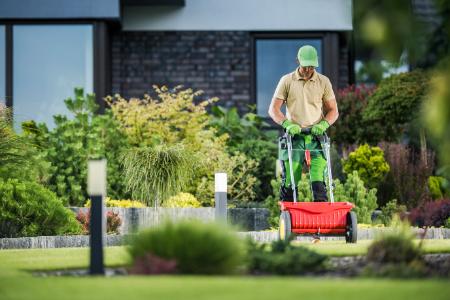
If your goal is thick, deep-green turf, timing is everything. This guide explains a practical, local lawn fertilization plan for Havertown and greater Delaware County so you know what to expect from a professional program and when your yard should be treated. For a done-for-you plan, explore our lawn fertilization service and how it fits each season in our area. You can also learn more about lawn fertilization in Havertown, PA right from our home base with Shevlin Lawn Care.
Why Timing Matters for Lawn Fertilization in Havertown, PA
Most Havertown lawns are cool‑season grasses like tall fescue, Kentucky bluegrass, and perennial ryegrass. These grasses put on roots and recover best in cool weather, so the most valuable feedings target late summer into fall, with lighter support in spring. University guidance for Pennsylvania lawns emphasizes focusing fertilization around mid to late spring and late summer through fall, aligned with growth cycles and soil tests. ([extension.psu.edu](https://extension.psu.edu/lawn-management-through-the-seasons?utm_source=openai))
Month-by-Month Delaware County Lawn Treatment Schedule
Below is a realistic Delaware County lawn treatment schedule that aligns with how turf grows here. Your exact plan can shift a bit with weather, shade, soil, and foot traffic, but the seasonal rhythm stays similar.
- March–April: Light spring feeding to wake turf as growth returns. Pairing nutrition with a weed prevention plan is common in Southeastern PA. ([extension.psu.edu](https://extension.psu.edu/lawn-management-through-the-seasons?utm_source=openai))
- May–June: A late‑spring application supports color and density before summer stress. Many local programs schedule 4–6 week intervals during active growth. ([greenlawnfertilizing.com](https://www.greenlawnfertilizing.com/services/lawn-care-programs?utm_source=openai))
- July–August: If conditions are hot and dry, pros often ease back and use slow‑release materials only when weather allows. Heavy summer feedings are avoided on cool‑season lawns. ([bhg.com](https://www.bhg.com/when-to-fertilize-lawn-8678853?utm_source=openai))
- September: First fall application to rebuild roots after summer. Fall feedings drive recovery and thicker turf. ([bhg.com](https://www.bhg.com/when-to-fertilize-lawn-8678853?utm_source=openai))
- October–Early November: Second fall feeding to prepare for winter and set up a strong spring green‑up. Many reputable local programs highlight this window as the most important of the year. ([greenlawnfertilizing.com](https://www.greenlawnfertilizing.com/services/lawn-care-programs?utm_source=openai))
Do not fertilize on frozen or saturated ground, and avoid applying right before heavy rain. Responsible timing reduces runoff and protects local waterways while getting more benefit into your lawn. ([bhg.com](https://www.bhg.com/when-to-fertilize-lawn-8678853?utm_source=openai))
What Your Cool-Season Grass Needs in Our Climate
Cool‑season grass thrives when nutrients match its growth curve. A soil test guides phosphorus and potassium needs, while nitrogen is planned in split, seasonal feedings. Penn State Extension recommends centering core fertilization in mid/late spring and late summer to early fall, with application rates based on the product label and lawn response. This approach helps roots deepen, thickens the canopy, and limits surge growth that can invite weeds. ([extension.psu.edu](https://extension.psu.edu/lawn-management-through-the-seasons?utm_source=openai))
Neighborhood Nuance: Microclimates Across Havertown
Havertown neighborhoods like Brookline, Oakmont, Llanerch, and Manoa sit on small variations in shade, wind exposure, and soil compaction. Lawns near tree‑lined streets and pocket parks often cool quicker at night and may hold moisture longer. Open, sunny lots along wider streets can warm faster in spring and stress sooner in late summer. Your technician will adjust timing and product type to these micro‑differences so each application lands when the grass can use it best.
When Weather Changes the Plan
Our region sees quick swings: warm Aprils, steamy Julys, and crisp nights by October. Scheduling stays flexible for rain systems and heat spikes so fertilizer reaches roots, not storm drains. Reputable programs in the Philadelphia tri‑state area time early spring, late spring, summer slow‑release, and fall applications around weather and turf response rather than rigid dates. ([greenlawnfertilizing.com](https://www.greenlawnfertilizing.com/services/lawn-care-programs?utm_source=openai))
How Professional Lawn Care Prevents Common Fertilizer Mistakes
Overfeeding in summer heat can push weak, shallow growth. Underfeeding in fall leaves turf thin for winter. Pros sequence materials and rates to match grass demand and local conditions, and they lean on soil tests to confirm what your lawn needs. Skip heavy summer feedings during heat waves; cooler‑weather feedings do far more for roots, color, and density. ([bhg.com](https://www.bhg.com/when-to-fertilize-lawn-8678853?utm_source=openai))
Another advantage is coordinated weed control. In our area, crabgrass prevention typically targets early to mid‑spring, while broadleaf treatments happen when weeds are actively growing. Folding fertilization into that calendar keeps your lawn thick enough to crowd out new invaders. ([extension.psu.edu](https://extension.psu.edu/lawn-management-through-the-seasons?utm_source=openai))
Seasonal Playbook: What To Expect From Each Visit
Here is how a pro plan often looks across the year in Havertown and neighboring towns like Drexel Hill, Ardmore, and Springfield:
- Early spring: nutrition to wake turf, with pre‑emergent weed control if needed.
- Late spring: balanced feeding that builds density before summer stress.
- Summer: slow‑release support only when weather cooperates; spot‑treat weeds.
- Early fall: restorative feeding to rebuild roots and thicken thin spots.
- Late fall: final feeding to store energy for winter and a quick spring start.
Fall feedings drive root growth so your lawn stands up better to foot traffic, pets, and winter extremes, then pops green early next season. This fall‑first mindset is echoed by university and industry guidance for cool‑season turf in our region. ([bhg.com](https://www.bhg.com/when-to-fertilize-lawn-8678853?utm_source=openai))
Linking Fertilization With Smart Maintenance
Fertilizer performs best when mowing and cultural care support it. Keep blades sharp and maintain an appropriate height so the canopy shades soil and protects roots. For practical mowing advice, see this local read: professional lawn mowing services for a healthy, beautiful lawn. Pairing nutrition with clean edges and consistent mowing keeps turf uniform and resilient throughout the season.
Thicker turf is also helped by aeration and overseeding at the right time of year. In Pennsylvania, late summer into early fall is the prime window for establishing seed, which is why fall fertilization is so impactful. Seeding during this period gives cool‑season grasses two cool growing seasons to establish before the next summer stress. ([extension.psu.edu](https://extension.psu.edu/lawn-establishment?utm_source=openai))
How We Adjust for Havertown Soils
From Brookline’s older tree canopy to sunnier lots near Manoa, soil compaction and organic matter vary. After years of foot traffic, play sets, and pets, many lawns benefit from seasonal adjustments to product form and timing. Always follow the product label or trust a pro to apply correctly so nutrients reach roots without waste. Local programs in our area typically space visits about every 4–6 weeks during active growth to keep color steady and weeds in check. ([greenlawnfertilizing.com](https://www.greenlawnfertilizing.com/services/lawn-care-programs?utm_source=openai))
Common Questions We Hear From Delaware County Homeowners
For cool‑season turf here, plan on a light spring feeding, possibly a second in late spring, then prioritize two fall feedings from September through early November as weather allows. That cadence matches how our grasses grow and sets up reliable color without forcing summer growth. ([bhg.com](https://www.bhg.com/when-to-fertilize-lawn-8678853?utm_source=openai))
Not by itself. Thin areas often need seed during the late‑summer/early‑fall window, supported by a targeted nutrition plan. That’s why many homeowners call in Shevlin Lawn Care to align seeding with a fall‑focused feeding plan. ([extension.psu.edu](https://extension.psu.edu/lawn-establishment?utm_source=openai))
Putting It All Together: A Delaware County Lawn Treatment Schedule
If you want a one‑look summary, think of your Delaware County lawn treatment schedule like this: light support as grass wakes in spring, steady nutrition before summer stress, then a strong fall push in two parts to rebuild and store energy. Keep an eye on the forecast, and remember that timing beats sheer quantity every time. ([bhg.com](https://www.bhg.com/when-to-fertilize-lawn-8678853?utm_source=openai))
For homeowners who would rather set it and forget it, booking a seasonal plan with a local team keeps the calendar, the weather, and the materials in sync so you don’t have to. If you are exploring options now, review how our lawn fertilization service fits the seasons and the neighborhoods we serve across Havertown.
Ready For Thicker, Greener Grass?
Let Shevlin Lawn Care build the schedule, watch the weather, and deliver the results. Call 215-908-4777 to get started or schedule your lawn fertilization for the next available window in Delaware County. It’s the simplest path to a greener lawn, season after season.
Ready for a Greener Lawn? Book Your Lawn Care Service In Havertown Now!
Or Fill Out Our Quick Form!